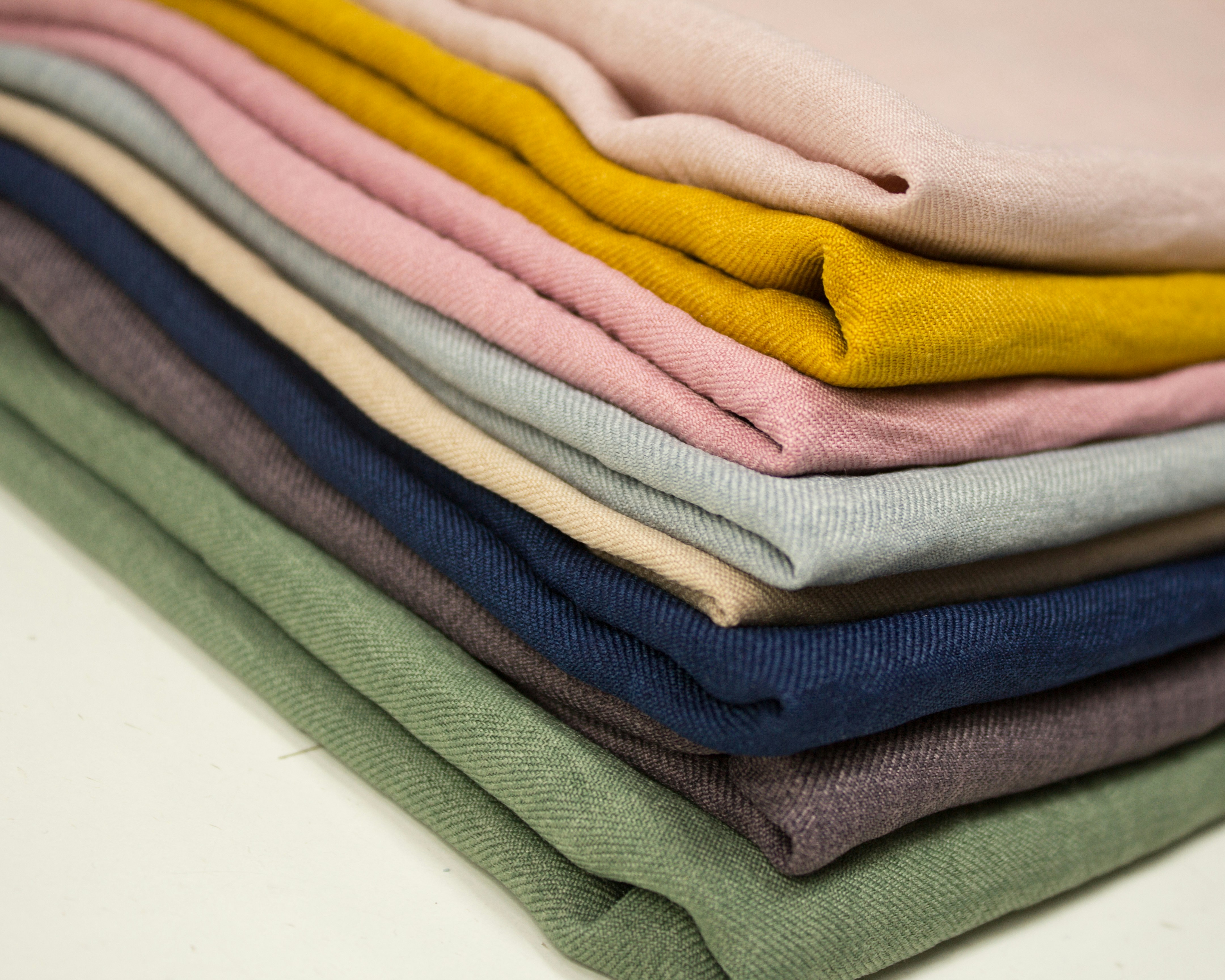
 Photo by on Unsplash
Linen stands as the undisputed pinnacle of sustainable textile engineering, offering an unmatched combination of high tensile strength, exceptional hygroscopic performance, and low environmental impact. Derived from the bast fibers of the Linum usitatissimum plant, this ancient fiber bypasses the resource-heavy cultivation cycles of modern synthetic and natural alternatives. For designers, engineers, and conscious consumers looking to build an enduring wardrobe, understanding the material science of flax linen reveals why it remains the ultimate slow-fashion textile.
Article Content Map
Click any heading below to jump directly to that part of the article.
Botanical Origins & Agronomic Efficiency
Flax cultivation represents an agricultural masterclass in low-input resource optimization. Unlike high-maintenance crops that require intensive irrigation and chemical intervention, Linum usitatissimum thrives naturally in temperate coastal climates across Western Europe. Rain-fed irrigation systems meet almost all hydrological demands of the plant, eliminating the ecological strain typical of industrial cotton farming.
The agronomic profile of flax yields zero operational waste across its entire harvesting lifecycle. Fiber bundles are harvested by uprooting the whole stalk rather than cutting, preserving the full mechanical length of the internal phloem filaments. The secondary outputs—such as linseed oil, residual tow for technical paper, and shive for building insulation—ensure complete biomass utilization.
From an ecological perspective, flax acts as a highly efficient carbon sink during its rapid 100-day growth cycle. The minimal need for synthetic fertilizers prevents soil acidification and guards surrounding watersheds against chemical runoff. This inherent biological efficiency establishes flax as the foundational benchmark for clean textile manufacturing.
Professional Insight: Environmental Load Comparison
Flax fiber production consumes up to 13 times less water and significantly fewer agrochemicals per kilogram compared to conventionally grown seed fibers. Its lifecycle footprint makes it an ideal candidate for zero-waste manufacturing models.
Mechanical Extraction: Dew Retting & Scutched Fibers
Transforming a rigid plant stem into a highly pliable textile yarn demands precise mechanical and biological processing. Dew retting relies on naturally occurring microflora to break down the intercellular pectin holding the long bast fibers inside the woody core. Field workers spread pulled flax stalks across pastures, allowing ambient humidity and enzyme activity to dissolve the natural binders without harsh chemical baths.
Once retting completes, mechanical scutching separates the fibrous ribbon from the inner woody shive through controlled crushing and beating rollers. The long, aligned filaments—known as line flax—are carefully separated from the shorter, tangled tow fibers during hackling. These parallel line fibers yield smooth, high-tenacity yarns designed to endure decades of structural wear.
| Processing Stage | Technical Mechanism & Structural Impact |
|---|---|
| Pulling | Whole-plant harvesting preserves long filament lengths within the bast layer. |
| Dew Retting | Enzymatic breakdown of cellular pectin via outdoor fungal exposure. |
| Scutching & Hackling | Mechanical separation and combed alignment of high-grade line fibers from tow. |
The Inverted Lifecycle: Crystalline Cellulose Aging
Most synthetic and natural textiles deteriorate progressively with repeated wear and laundering cycles. Fiber abrasion, molecular degradation, and surface pilling cause conventional fabrics to lose structural integrity over time. Linen completely reverses this aging dynamic due to its highly ordered inner crystalline polymer architecture.
Microstructural Softening Mechanisms
Flax fibers consist of highly oriented cellulose microfibrils embedded in a natural pectin matrix. While this dense arrangement causes initial stiffness in unwashed garments, repeated aquatic exposure slowly dissolves residual surface pectins. As these stiff binder molecules wash away, the internal cellulosic polymer chains flex and realign without compromising their tensile strength.
Luster Evolution and Fiber Tenacity
Linen possesses higher tensile strength when wet than when dry, safeguarding the fabric structure during aggressive home laundering. Friction from regular washing gently burnishes the fiber surfaces, enhancing light refraction across the woven grid. This micro-polishing effect imparts a soft, silky luster to aged linen garments, elevating their aesthetic character over years of continuous use.
Thermoregulation & Moisture Dynamics
Linen provides superior thermal comfort thanks to its high thermal conductivity and rapid moisture transportation properties. The thick, hollow structure of individual flax fibers acts as a natural climate regulator, promoting rapid heat dissipation away from the human body in warm environments. This high thermal coefficient keeps the skin noticeably cooler than woven cotton or synthetic microfibers.
The high degree of crystallinity within flax cellulose makes it exceptionally hygroscopic, absorbing up to 20% of its dry weight in water vapor before feeling damp. The fabric rapidly draws moisture into its internal fiber cores and evaporates it swiftly into the surrounding air. This rapid evaporation cycle prevents fabric cling, maintaining a dry microclimate against the skin during hot weather.
Professional Insight: Moisture Wicking vs. Absorption
Unlike synthetics that simply push liquid moisture along fiber surfaces using surface tension, linen absorbs moisture vapor directly into its cellular core before evaporating it, eliminating the sticky sensation caused by perspiration.
Visual Texture: The Minimalist Aesthetic
The tactile and visual appeal of linen stems from structural variations called slubs—subtle thickness fluctuations formed during yarn spinning. Far from being material defects, these anisotropic variations create a distinctive low-relief surface texture that catches ambient light. This natural tactile irregularity adds visual depth to minimalist garments, reducing the need for artificial surface finishes or heavy chemical treatments.
Linen's distinctive fluid drape and natural crease pattern celebrate raw material authenticity. In a fast-fashion culture dominated by synthetic uniformity and wrinkle-resistant coatings, linen's relaxed structure communicates effortless sophistication. Embracing these natural characteristics aligns directly with modern minimalist principles, where timeless functionality and raw material purity take precedence over synthetic perfection.
Learn More with the Textile Fundamentals Series
Understand GSM, yarns, fabric structures, lab testing, and factory quality control from an industry viewpoint with Joe Ash’s engineering books.
Ultimately, linen exemplifies the slow-fashion movement by proving that natural engineering can outperform short-lived synthetic trends. Its botanical efficiency, exceptional durability, and evolving comfort make it a lasting investment for any curated wardrobe. By choosing linen, consumers embrace a heritage material that honors ecological integrity and timeless functional design.


